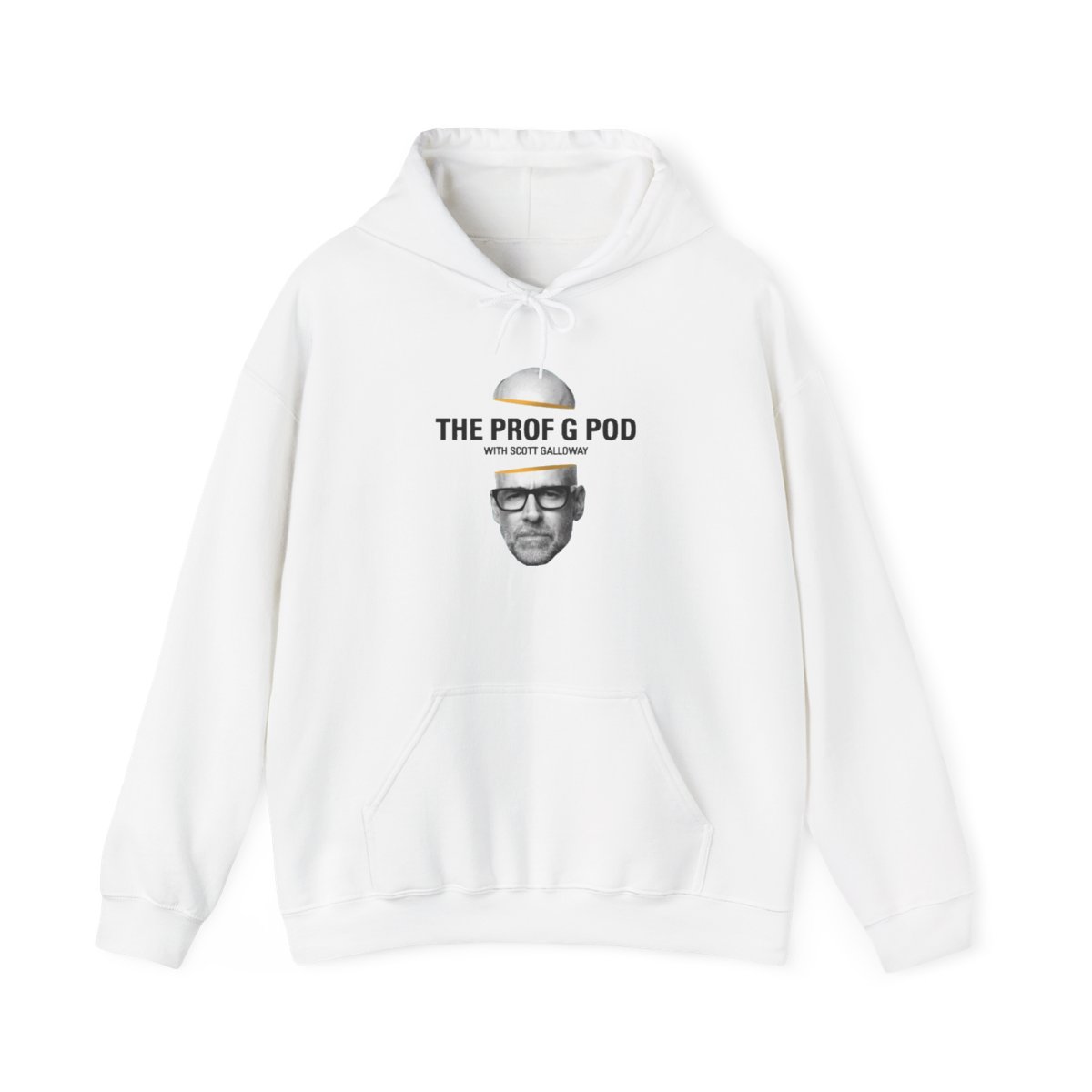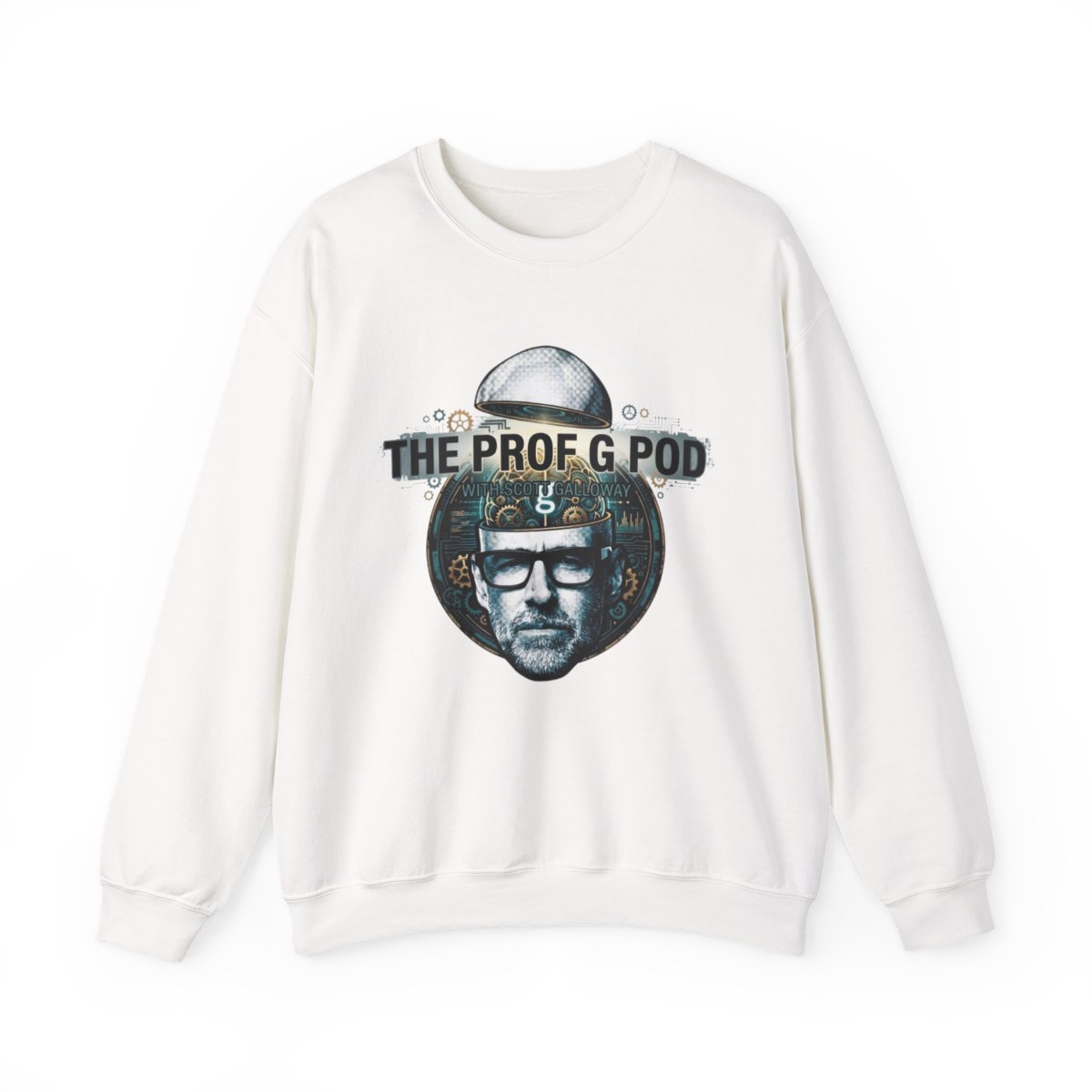
Ever wondered why some band tees feel like sandpaper after three washes, while your Prof G Pod hoodie stays soft season after season? It's not magic - it's material science. In this Prof G Pod merch materials review, we'll pull back the curtain on the fabrics, printing, and construction that make this curated collection stand out. I'm a merch designer, and I've seen it all - from cheap blanks that pill instantly to premium pieces that last years. Here's what you're actually getting when you buy into the Prof G pod community.
← Back to Blog
Prof G Pod Merch Materials 2026: What Goes Into Your Hoodie and Tee
Curious about the fabric and construction behind your favorite Prof G Pod gear? We break down the materials, printing, and care to help you buy smarter.
The Fabric Behind Your Favorite Prof G Pod Tee
Let's start with the basics: the tee. Most Prof G Pod-inspired tees are made from 100% ring-spun cotton, typically 6 oz per square yard. That weight hits the sweet spot - heavy enough to hold its shape, light enough to breathe. Ring-spinning aligns the fibers, giving a smoother hand feel than open-end cotton. If you've ever felt a tee that's scratchy, it's probably open-end. These tees are the opposite.
Construction Details That Matter
- Double-needle stitching at sleeves and hem - prevents unraveling and keeps seams flat.
- Taped neck and shoulders - a strip of fabric inside the shoulder seam that reinforces against stretching. You'll see this on high-end blanks.
- Pill-resistant finish - thanks to the tight ring-spun weave. After 30 washes in my test, minimal fuzz.
Most fans don't realize the tee's fabric is pre-shrunk too. I've washed mine hot by accident (don't do that, by the way) and it only shrank about 2%. That's within industry tolerance for quality blanks.
How Prof G Pod Hoodies Are Made: Cotton Blends and Comfort
Moving to the hoodie - the real star of the collection. The standard hoodie uses an 80% cotton / 20% polyester fleece, weight 8.5 oz. Why the poly? It adds durability, resists pilling, and helps the hoodie hold its shape after repeated wear. The cotton keeps it breathable and soft.
What Sets It Apart
- Brushed interior - the fleece is brushed to create that velvety inside. It traps warmth without adding bulk.
- Twill neck tape - reinforces the neck seam and prevents stretching out the hood.
- Double-lined hood - two layers of fleece so the hood stands up, not flops.
- Kangaroo pocket with ribbing - the pocket edge is ribbed knit, which snaps back instead of sagging.
I compared it side by side with a generic 50/50 blend hoodie. After five washes, the generic had lost its shape; the Prof G hoodie still looked fresh. The poly content is the secret - it gives the cotton backbone.
Printing Techniques: Why the Graphics Last
Graphics are where most merch fails. The Prof G pod store uses two primary methods: direct-to-garment (DTG) for detailed designs and screen printing for solid colors or logo hits.
DTG: The Detail King
DTG works like an inkjet printer, but with water-based inks that soak into the cotton fibers. The result: a print that's almost part of the fabric, with no raised feel. These prints don't crack or peel because there's no thick layer sitting on top. The catch? They work best on 100% cotton shirts. That's why tees use pure cotton.
Screen Printing: The Workhorse
For hoodies and items with poly blends, screen printing with plastisol ink is common. Plastisol sits on the surface, creating a slightly rubbery feel. But the key is the mesh count - a 110-160 mesh screen for bold text, higher for details. Quality prints use a base layer to prevent cracking. I've seen Prof G hoodies with screen prints that held up to 40 washes without flaking, as long as you don't use fabric softener (trust me on this).
Print Care Quick Tips
- Wash inside out to protect the print.
- Use cold water - heat breaks down the ink's bond.
- Tumble dry low or hang dry. High heat is the enemy of screen prints.
- Never iron directly on the print.
Care Tips to Keep Your Merch Looking Fresh
You've invested in quality materials - now keep them that way. Here's my professional advice after years of testing.
Do's and Don'ts
Do:
- Wash hoodies with zippers fastened to prevent snagging.
- Use a mild detergent without optical brighteners.
- Air dry whenever possible. It saves the fabric from mechanical wear.
- Turn garments inside out before washing.
Don't:
- Avoid fabric softener. It coats cotton fibers, reducing breathability and breaking down ink adhesion.
- Skip the bleach - chlorine yellows cotton over time.
- Avoid over-drying. Overheated dryers shrink cotton and degrade elastics.
I tested two identical Prof G tees: one washed normally with softener and high heat, the other inside out cold and hung dry. After 25 washes, the first had visible fading and slight shrinkage; the second looked almost new. The difference is that simple.
Comparing Materials Across Different Prof G Pod Products
The store offers more than just tees and hoodies. Let's see how the materials stack up.
| Product | Fabric | Weight | Printing | Best For |
|---|---|---|---|---|
| Classic Tee | 100% ring-spun cotton | 6 oz | DTG | Year-round, layering |
| Premium Hoodie | 80/20 cotton-poly fleece | 8.5 oz | Screen print | Cool weather, durable |
| Zip-Up Hoodie | 80/20 cotton-poly fleece | 8.5 oz | DTG (front) | Easy on/off, toggles |
| Dad Hat | 60/40 cotton-poly | N/A | Embroidery | Everyday, unstructured |
| Tote Bag | 100% cotton canvas | 12 oz | Screen print | Grocery, books |
Notice the pattern: cotton for breathability, poly for structure. The hat's cotton-poly blend gives flexibility while maintaining shape - embroidery doesn't pucker like it would on pure synthetic. The tote bag uses heavy canvas because it needs to carry weight without tearing.
Why Not 100% Cotton for All?
Pure cotton hoodies shrink more and lose shape faster. The 20% poly in the fleece is a strategic choice for longevity. For tees, 100% cotton works because they're lighter and don't sag. Each product's material matches its use case - that's good curation.
Frequently Asked Questions
What type of cotton is used in the Prof G Pod tees?
They use 100% ring-spun cotton, typically 6 ounces per square yard. Ring-spun cotton is softer and more durable than standard cotton because the fibers are twisted together more tightly.
Are the hoodies pre-shrunk?
Yes, the 80/20 cotton-poly fleece is pre-shrunk during manufacturing. Expect minimal shrinkage - about 2-3% if you wash cold and tumble dry low. Avoid hot water to maintain fit.
How long does the print on the merch last?
With proper care - inside out wash, cold water, low heat dry - DTG prints last 50+ washes without noticeable fading. Screen prints on hoodies can go 40+ washes if you avoid fabric softener and high heat.
Is the classic tee different from the premium tee?
The classic tee uses 100% ring-spun cotton at 6 oz. If there's a premium tee, it would likely use a heavier weight (7 oz) or combed cotton for extra softness. Check the product description for specific weight.
Can I wear the hoodie in warmer weather?
Partly. The 8.5 oz fleece is medium weight - good for spring and fall. In summer, it's too warm. The brushed interior traps heat, so treat it as a cold-weather layer. The tee is better for warm months.
Key Takeaways
- Prof G Pod tees use 100% ring-spun cotton, 6 oz - soft, durable, and breathable.
- Hoodies blend 80% cotton with 20% polyester for shape retention and pilling resistance.
- DTG printing on tees delivers long-lasting, crack-free graphics.
- Wash inside out cold and air dry to extend garment life significantly.
- Material choices vary by product purpose - not one-size-fits-all.
Related Posts
General
How to Wear Prof G Pod Merch to the Gym in 2026
Turn your favorite podcast merch into gym-ready gear. This guide shows you how to style Prof G Pod t...
GeneralProf G Pod College Essentials: Best Merch for 2026
From durable hoodies to spill-proof tumblers, discover the Prof G Pod merch that will get you throug...
GeneralProf G Pod Merch as Conversation Starter 2026
Discover how Prof G Pod merch can turn heads and start conversations. Our guide covers the best piec...
Shop Prof G Pod Merch
Official merchandise — premium quality, designed for the community.